Beyond the Breath: Finding Calm in Your Daily Rhythm
Grounding your system through movement, creation, and connection.
By Sara Babar
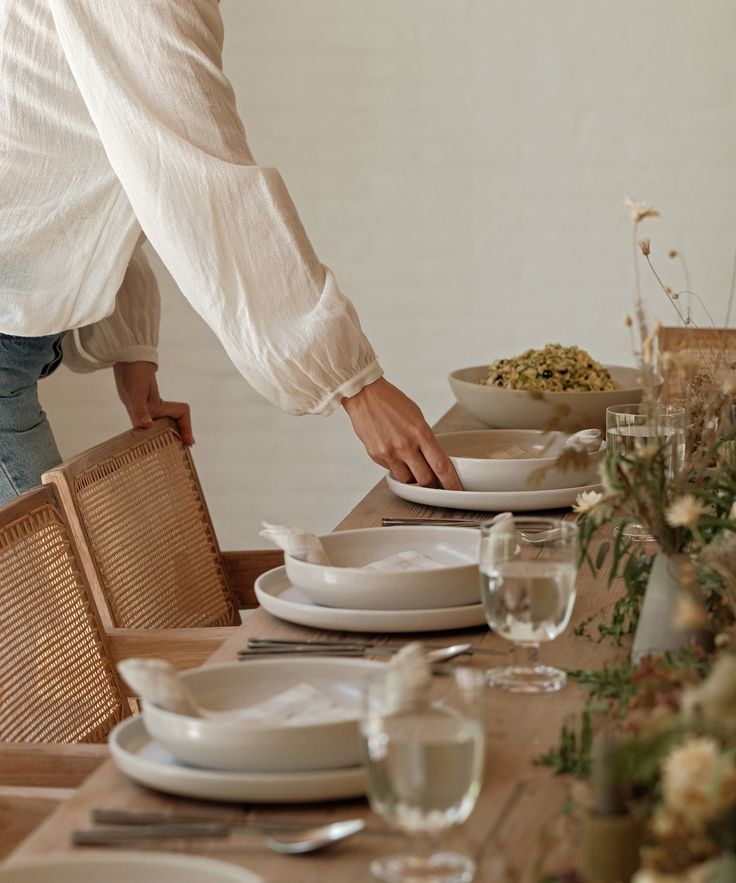
When we talk about nervous system regulation, the conversation often centres on stillness. We are told to sit quietly or meditate our way out of stress. While those tools are valuable, they are not for everyone. For many of us, regulation does not happen in the quiet moments. It happens through movement, connection, and the tactile rhythms of our daily lives.
Your nervous system is essentially the internal surveillance system for your body, constantly scanning for signals of safety or threat. When we are stuck in a state of high alert, we feel the familiar hum of anxiety or the heavy weight of burnout. Regulation is simply the process of signalling to our system that we are safe. While breathwork is a direct line to that signal, our bodies have other, more unconventional pathways that are just as powerful.
One of the most effective ways to shift your state is through rhythmic and intentional movement. Think about the feeling of a heavy weightlifting session or the flow of a dance class. This is not just about fitness. It is about the physical feedback your brain receives when you move against resistance or find a beat. When we engage in strength training or dancing, we are providing our nervous system with grounding information about where we are. That physical push against the world helps discharge stored stress energy through action.
Then there is the power of creating with your hands. Whether you are cooking a meal, painting, or building something, these tactile activities are multisensory regulation rituals. The rhythmic sound of chopping, the feel of a paintbrush, or the kneading of dough are all signals of safety. When you focus on the task at hand, you are engaging in a form of active mindfulness. It pulls you out of the mental noise and drops you directly into the present moment.

Perhaps the most overlooked tool we have is coregulation, which is the way our nervous systems respond to the presence of others. This is why the communal table or a simple walk with a friend feels so restorative. When we connect with someone who is calm and present, our own nervous system begins to mirror theirs. We do not have to find ease in isolation. Often, the quickest way back to centre is through the laughter and shared weight of a conversation with a trusted source.
Ultimately, regulation is about the practical things that help you settle. Whether it is the beat of a song, the weight of a barbell, or the steam rising from a home-cooked meal, these are the tools that help you feel like yourself again.
A Simple Rhythm for Regulation:
To make it easy, here is how you can find your centre through your daily activities:
In your movement: If you are feeling high-strung, opt for a workout with resistance or heavy weights. That physical feedback provides a sense of containment for a frantic nervous system. If you feel shut down or heavy, put on a song and just move. Dancing is one of the fastest ways to signal play and safety to your brain.
In your creation: Use your hands to ground yourself. Whether it is prepping a meal or starting a small art project, lean into the tactile experience. Put your phone away and focus on the rhythms of the work. Let the textures and smells be your anchor to the present moment.
In your circle: Prioritise coregulation. If you have had a draining day, reach out for a quick voice note or a coffee with a friend. We are biologically wired to find safety in our village, and sometimes the best regulation is simply being known and heard.
In the transitions: Between work and home, find a bridge ritual. It could be five minutes of singing in the car, which stimulates the vagal nerve, or getting out of your work clothes and into something comfy. These small habits are signals to your system that you can close the chapter on your workday and finally settle into an activity that helps you feel relaxed and present.

References:
Harvard Health Publishing (2025): Understanding the Stress Response and the Role of Non Traditional Regulation.
Journal of the American Medical Association (JAMA) (2025): The Impact of Social Connectedness on Autonomic Nervous System Stability.
American Journal of Public Health (2026): Community Based Rituals and Their Physiological Impact on Stress Resilience.
Frontiers in Integrative Neuroscience (2025): Proprioceptive Feedback and the Mitigation of Sympathetic Hyperarousal.
If you enjoyed this, you’ll love these too
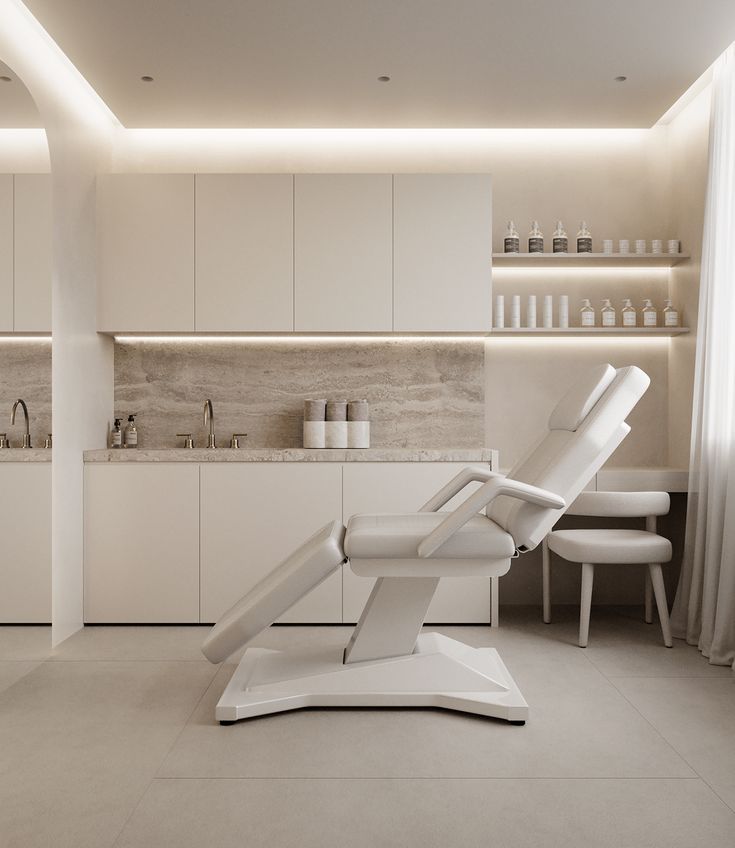
Starting your aesthetics journey isn’t about perfection — it’s about confidence. In this piece, Dr. Maya Shahsavari shares why every transformation should begin with conversation, trust, and a holistic understanding of who you are.
Read more

Polynucleotides—also known as “salmon DNA”—are the latest buzz in aesthetics. In this article, beauty writer Lucy Abbersteen explains what they are, how they work to boost collagen and hydration, and why these natural biostimulators are redefining skin rejuvenation in 2025.
Read more
Hair loss goes deeper than beauty — it’s a reflection of our overall health. From nutrition and hormones to stress and self-care, Dr. Maya Shahsavari explores what truly impacts hair vitality and how to restore both strength and confidence.
Read more
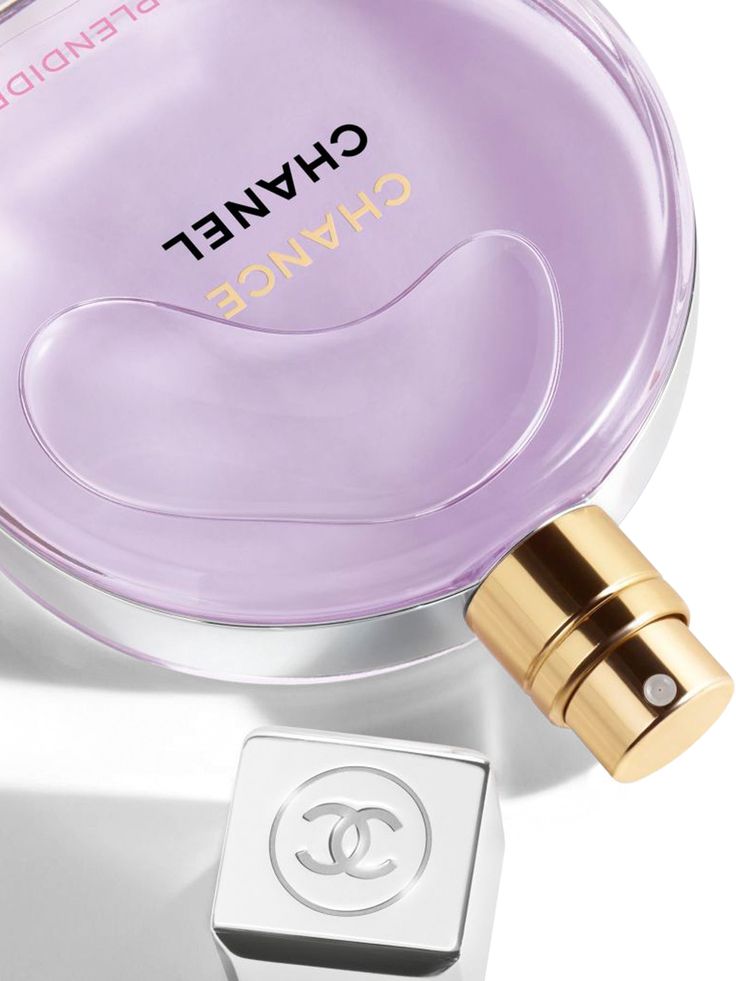
From breezy coastal blends to sultry night-out elixirs, these six new perfumes capture every summer mood. Discover the fragrances defining 2025 — fresh, flirty, and effortlessly luxurious.
Read more

From SPF to spot stickers and hair saviours, this is your ultimate edit of travel beauty must-haves. Lucy Abbersteen breaks down what to pack (and what to skip) for glowing, protected skin and hair — wherever your holiday takes you.
Read more

When your skin feels tight, red, or reactive, your barrier is asking for help. In this article, Hollie Atkin explains how to rebuild and strengthen the skin barrier with calming, science-backed care — and why gentle consistency always wins.
Read more