Harnessing Inflammation for Regeneration: Why Strategic Stimulation Can Strengthen the Skin
Learn how controlled inflammation supports skin regeneration, collagen production, and long-term skin health. Discover how advanced treatments work with the body’s natural repair processes.
By Hollie Atkin
Rethinking Inflammation:
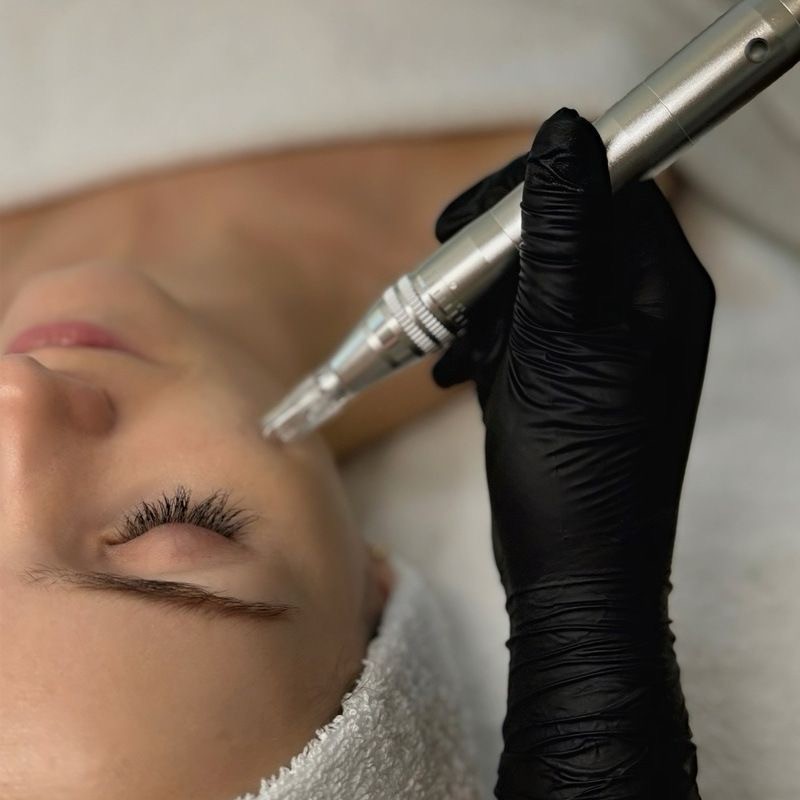
While persistent inflammation can quietly undermine skin health, the same biological process can also be used as a powerful tool for regeneration. Inflammation has developed a negative reputation within skincare, often described as something that should be eliminated entirely. In reality, without inflammation, the body would lose its ability to heal wounds, repair tissue and rebuild structural proteins such as collagen and elastin.
The goal is not to remove inflammation from the skin completely but to understand how it functions. When inflammatory signals are brief, controlled and followed by recovery, they activate one of the most powerful repair mechanisms within the body.
The Skin’s Natural Regeneration Response:
The skin is designed to respond to challenge. When it experiences a controlled stimulus, a sophisticated repair cascade begins almost immediately. Blood flow increases in the affected area to deliver oxygen and nutrients that support healing. Immune cells migrate toward the site to clear damaged material and defend against infection. At the same time, specialised cells known as fibroblasts become activated, producing fresh collagen and elastin fibres that strengthen the skin’s structural framework.
Growth factors are released, cellular communication improves, and repair pathways begin reorganising the surrounding tissue. This process does not simply restore the skin to its previous state. In many cases, it improves the structural integrity of the tissue, creating skin that is denser, stronger and more resilient.
Why Many Advanced Treatments Work This Way:
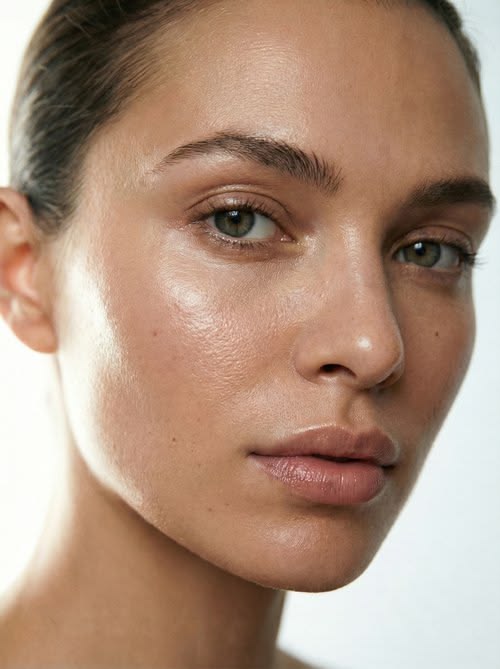
Many of the most effective aesthetic treatments rely on this regenerative response. Rather than masking concerns on the surface, they communicate with the skin in a way that stimulates renewal.
Microneedling creates microscopic channels that signal the skin to begin producing new collagen. Resurfacing treatments encourage controlled cellular turnover, replacing damaged cells with healthier ones. Certain injectable treatments activate wound healing pathways within deeper layers of the skin, stimulating fibroblasts to strengthen the dermal structure.
In these contexts, inflammation is not destructive. It is intentional communication with the skin’s natural repair mechanisms.
The Importance of Preparation
Stimulation is only beneficial when the skin is prepared to handle it. Performing aggressive treatments on already inflamed or barrier-impaired skin can lead to complications such as prolonged redness, rebound pigmentation or persistent sensitivity.
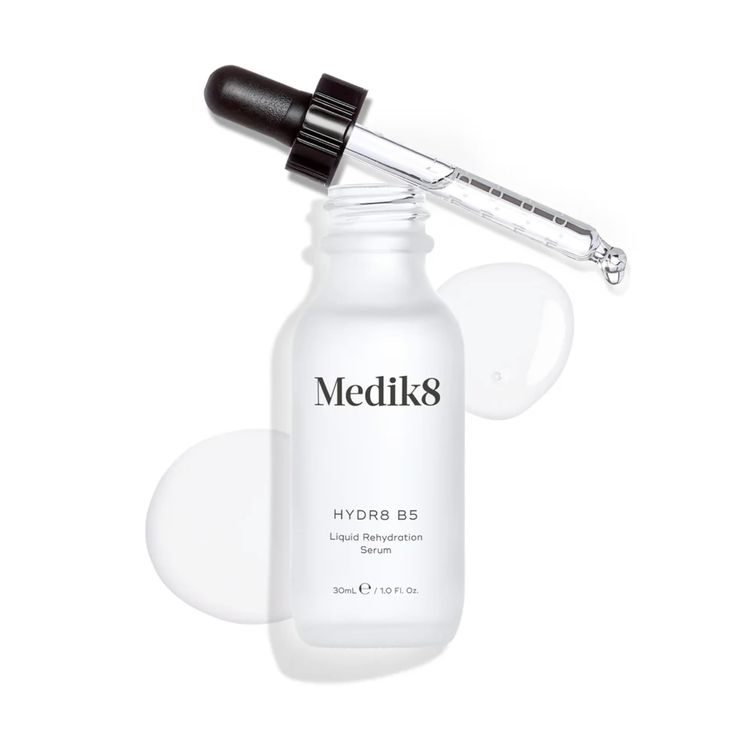
Before advanced procedures are introduced, the skin must be stabilised. Hydration levels should be balanced, the barrier must be strong, and underlying inflammation should already be under control. When the skin feels safe, it is far more capable of interpreting stimulation as a signal to rebuild rather than a threat to defend against.
Preparation is not a delay in progress. It is what allows progress to happen.
Where the Real Transformation Happens:
Another aspect that is often misunderstood is when the visible improvement actually occurs. The transformation associated with regenerative treatments rarely happens during the procedure itself. It unfolds gradually in the weeks and months that follow.
During this period, collagen fibres reorganise, elastin networks rebuild, and cellular turnover replaces damaged tissue with healthier cells. Supporting the skin during this recovery phase is essential. Calming ingredients help guide inflammation back down once its role in the healing cascade is complete. Lipids replenish the barrier, and antioxidants neutralise residual oxidative stress. Sun protection prevents new inflammatory triggers from interfering with healing.
In many ways, the post-treatment phase is just as important as the treatment itself.
Precision in Challenging Environments:
Environmental conditions also influence how the skin responds to stimulation. In climates characterised by intense sunlight and persistent heat, inflammatory activity is already elevated. Ultraviolet radiation, dehydration and temperature fluctuations place the skin under constant environmental pressure.
In these environments, treatments must be selected carefully and spaced appropriately. When stimulation is introduced too frequently, the skin may struggle to return to equilibrium between procedures, increasing the risk of pigmentation changes or prolonged sensitivity. However, when regenerative treatments are timed correctly, they can be particularly beneficial, strengthening the skin’s structural integrity and helping counteract environmental ageing.
Finding the Balance:
Modern skincare often swings between two extremes. On one side, there is aggressive correction, where increasingly strong treatments are introduced in pursuit of faster results. On the other side, there is minimalism, where stimulation is avoided entirely.
Healthy skin exists somewhere in the middle. It benefits from cycles. Periods of stimulation encourage renewal and structural improvement, while periods of stability allow repair processes to complete.
Over time, this balanced approach builds something far more valuable than temporary brightness.
It builds resilience.
Because the strongest skin is not the skin that was never challenged. It is the skin that was challenged intelligently, supported carefully and given the time it needed to rebuild.
If you enjoyed this, you’ll love these too

Starting your aesthetics journey isn’t about perfection — it’s about confidence. In this piece, Dr. Maya Shahsavari shares why every transformation should begin with conversation, trust, and a holistic understanding of who you are.
Read more

Polynucleotides—also known as “salmon DNA”—are the latest buzz in aesthetics. In this article, beauty writer Lucy Abbersteen explains what they are, how they work to boost collagen and hydration, and why these natural biostimulators are redefining skin rejuvenation in 2025.
Read more

Hair loss goes deeper than beauty — it’s a reflection of our overall health. From nutrition and hormones to stress and self-care, Dr. Maya Shahsavari explores what truly impacts hair vitality and how to restore both strength and confidence.
Read more
From breezy coastal blends to sultry night-out elixirs, these six new perfumes capture every summer mood. Discover the fragrances defining 2025 — fresh, flirty, and effortlessly luxurious.
Read more

From SPF to spot stickers and hair saviours, this is your ultimate edit of travel beauty must-haves. Lucy Abbersteen breaks down what to pack (and what to skip) for glowing, protected skin and hair — wherever your holiday takes you.
Read more

When your skin feels tight, red, or reactive, your barrier is asking for help. In this article, Hollie Atkin explains how to rebuild and strengthen the skin barrier with calming, science-backed care — and why gentle consistency always wins.
Read more