Rebuilding the Skin Barrier
How to Restore Strength, Calm Inflammation and Future-Proof Your Skin
By Hollie Atkin
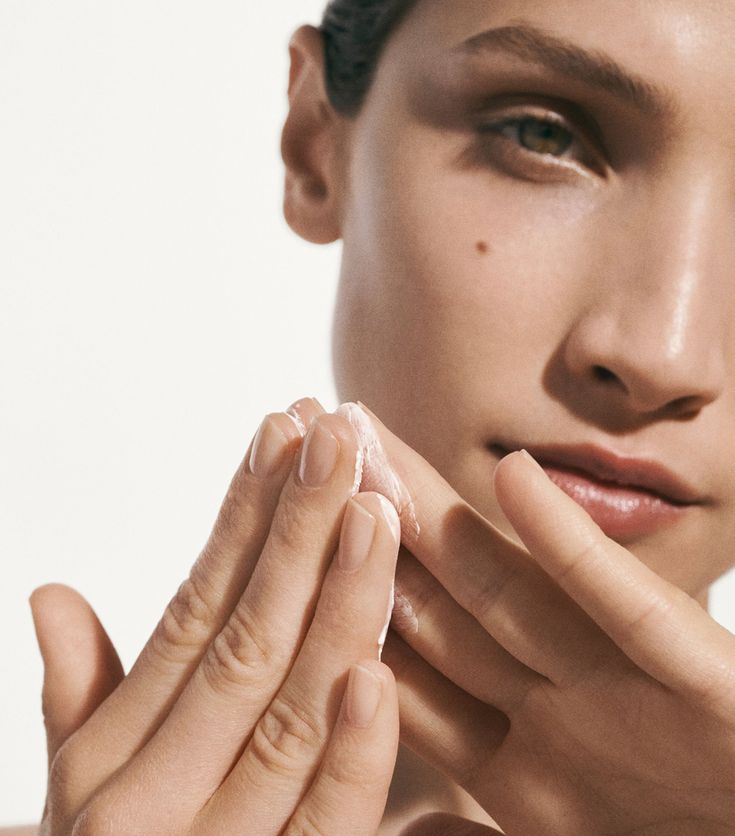
The good news is that the skin barrier is remarkably resilient. With the right support, it can repair and strengthen itself, often more effectively than people expect. However, this process requires patience, restraint and consistency rather than constant intervention.
Step One: Simplify Everything
The first step in barrier repair is removing what is causing the damage. Strong actives such as retinoids, high-percentage acids, aggressive exfoliants and brightening treatments should be paused. These tools have their place, but not while the barrier is compromised.
The focus should shift to calm, supportive care that allows the skin to feel safe again. Choose a gentle, non-foaming cleanser with a low pH and use lukewarm water rather than hot. If you suffer with dry skin, cleanse once daily in the evening and keep mornings simple with a water rinse only.
Step Two: Feed the Barrier What It’s Made Of
Effective repair comes from replacing what has been lost. Ceramides are essential, as they form the mortar of the skin barrier and help restore structure and function. Cholesterol and fatty acids must accompany them to rebalance the lipid matrix properly.
Niacinamide, or vitamin B3, supports ceramide production while helping to calm inflammation. Panthenol, or vitamin B5, deeply hydrates and accelerates healing. Humectants such as hyaluronic acid and glycerin attract water into the skin, but they must be sealed in. Without an occlusive layer, this moisture simply evaporates and can leave skin feeling even drier.
Ingredients such as shea butter or dimethicone help prevent moisture loss and protect the recovering barrier. Squalane is particularly useful, as it mimics the skin’s natural sebum and replenishes lipids without feeling heavy. Soothing ingredients like Centella Asiatica and oat extract further calm inflammation and reduce sensitivity.
Step Three: Lock It In and Protect It
After layering hydration and repair ingredients, everything should be sealed in with a moisturiser appropriate for your skin type. In Middle Eastern climates, many people benefit from a slightly richer formula at night or a light balm to prevent overnight dehydration.
Daily sun protection is non-negotiable. UV exposure is one of the fastest ways to undo barrier repair. Use a broad-spectrum SPF 30, ideally 50, or higher every day, even indoors if you sit near windows. Mineral sunscreens containing zinc oxide or titanium dioxide are often better tolerated by barrier-impaired or sensitive skin.
Extra Barrier Tips for the Middle East
Using a humidifier in bedrooms or living spaces can help counteract constant air conditioning. Carrying a hydrating mist containing glycerin or hyaluronic acid allows for gentle hydration throughout the day, as long as it is patted in rather than left to evaporate. Reapplying a small amount of moisturiser over dry areas can provide extra support when needed.
Protective clothing such as wide-brimmed hats, sunglasses and light coverups helps shield skin from sun and wind. Keeping showers short, using lukewarm water and moisturising immediately afterwards while the skin is still slightly damp further supports barrier recovery.
The Foundation of Everything
A healthy skin barrier is the foundation of all successful skincare. Without it, no product, no matter how advanced or expensive, can perform as intended. Inflammation persists, pigmentation deepens, breakouts linger and sensitivity dominates.
By recognising early signs of barrier disruption, adapting to your environment and prioritising repair before correction, you create the conditions for long-term skin health. Repair first. Treat later. Skin always responds better when it feels calm, supported and protected.
If you enjoyed this, you’ll love these too

Starting your aesthetics journey isn’t about perfection — it’s about confidence. In this piece, Dr. Maya Shahsavari shares why every transformation should begin with conversation, trust, and a holistic understanding of who you are.
Read more

Polynucleotides—also known as “salmon DNA”—are the latest buzz in aesthetics. In this article, beauty writer Lucy Abbersteen explains what they are, how they work to boost collagen and hydration, and why these natural biostimulators are redefining skin rejuvenation in 2025.
Read more
Hair loss goes deeper than beauty — it’s a reflection of our overall health. From nutrition and hormones to stress and self-care, Dr. Maya Shahsavari explores what truly impacts hair vitality and how to restore both strength and confidence.
Read more
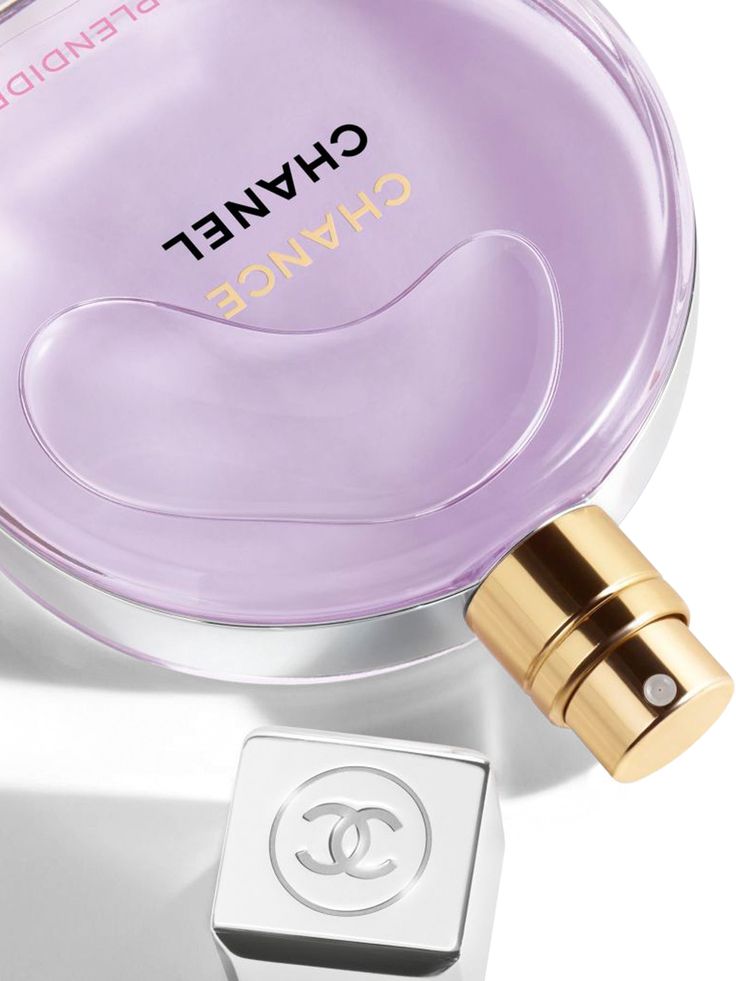
From breezy coastal blends to sultry night-out elixirs, these six new perfumes capture every summer mood. Discover the fragrances defining 2025 — fresh, flirty, and effortlessly luxurious.
Read more
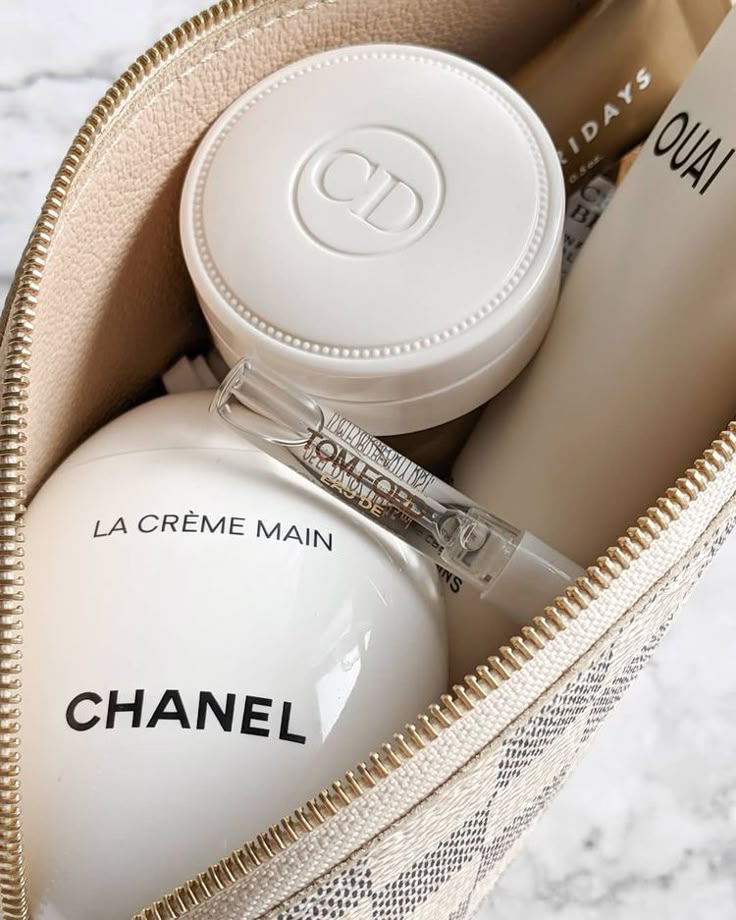
From SPF to spot stickers and hair saviours, this is your ultimate edit of travel beauty must-haves. Lucy Abbersteen breaks down what to pack (and what to skip) for glowing, protected skin and hair — wherever your holiday takes you.
Read more

When your skin feels tight, red, or reactive, your barrier is asking for help. In this article, Hollie Atkin explains how to rebuild and strengthen the skin barrier with calming, science-backed care — and why gentle consistency always wins.
Read more