Skin Behaviour: The Concept That Changes Everything
Stop Treating Symptoms. Start Understanding What Your Skin Is Trying to Tell You.
By Hollie Atkin

One of the greatest misconceptions in skincare is the belief that skin concerns exist in isolation. Pigmentation is treated as a pigment problem. Breakouts are approached as an oil problem. Sensitivity is labelled simply as sensitive skin.
In reality, the skin is constantly communicating. Every flare-up, every shift in texture, every sudden change in tolerance is a form of biological feedback.
Skin is not random. It is responsive.
When we begin to understand skin behaviour rather than chase individual symptoms, treatment becomes more precise, results become more predictable and long-term skin health becomes achievable.
Skin Is an Adaptive Organ
The skin is remarkably intelligent. Its primary role is protection, not aesthetics. Every response it generates is designed to keep the body safe.
When exposed to UV radiation, it produces pigment.
When the barrier is compromised, it increases oil production.
When overstimulated, it becomes reactive.
When inflamed, it slows regeneration.
These are not malfunctions. They are survival strategies.
Problems arise when these protective behaviours become chronic. What was once adaptive becomes disruptive.
The mistake many people make is attempting to silence the response without addressing what triggered it.
Skin always speaks. The question is whether we are listening.
Why Treating the Symptom Often Fails
Consider persistent breakouts. It is tempting to immediately reach for stronger acids, drying agents or aggressive resurfacing. Yet if those breakouts are rooted in barrier impairment or chronic inflammation, this approach often intensifies the cycle rather than resolving it.
The same is true for pigmentation. Suppressing melanin without calming inflammatory signalling frequently leads to rebound pigment.
Even sensitivity is often misunderstood. Many believe they simply have delicate skin, when in fact the barrier has been gradually weakened through cumulative stress.
When treatment focuses only on what is visible, it risks working against the skin rather than with it.
Understanding behaviour allows us to intervene intelligently.
Reading the Patterns
Healthy skin tends to behave consistently. It tolerates active ingredients, recovers quickly and maintains equilibrium despite environmental shifts.
Behavioural changes are where valuable information lives.
Skin that suddenly becomes reactive is often signalling barrier fatigue.
Breakouts that linger may indicate unresolved inflammation.
Pigmentation that deepens despite brightening suggests ongoing cellular stress.
Dullness can reflect slowed renewal rather than a need for harsher exfoliation.
Instead of asking, “What product do I need?”, a more intelligent question is, “Why is my skin behaving this way?”
The answer almost always guides the treatment.
Behaviour Before Intervention
In clinical practice, one of the most valuable skills is restraint. Not every skin requires immediate correction. Many require stabilisation first.
When the barrier is strengthened, inflammation is reduced and hydration is restored, the skin frequently begins to regulate itself. Concerns that once appeared complex become far easier to treat.
Intervention is most effective when the skin is receptive.
Rushing this process often prolongs it.
The Middle East and Reactive Skin Behaviour
Environmental intensity plays a significant role in how skin behaves.
Heat increases vascular activity and pigment signalling. UV exposure heightens inflammatory responses. Air conditioning accelerates dehydration, weakening the barrier’s ability to defend itself.
Skin living in this region is rarely neutral. It is constantly adapting.
This is why treatment strategies that may work elsewhere often require modification here. The skin must first be supported through environmental stress before more corrective work begins.
Respecting behaviour is particularly critical in climates that challenge resilience daily.
The Shift Toward Intelligent Skin Therapy
The future of advanced skincare is moving away from rigid protocols and toward responsive treatment planning.
Rather than forcing the skin into submission, intelligent therapy works in partnership with it. Treatments are selected based on how the skin is functioning in that moment, not simply on what concern appears most obvious.
Some phases call for stimulation.
Others call for repair.
Often, the most transformative results come from knowing when not to push.
Skin rarely rewards aggression. It responds to precision.

What Truly Healthy Skin Looks Like
Instead of asking how to fight your skin, consider how to support it.
Instead of chasing perfection, aim for stability.
Instead of reacting to every fluctuation, learn to recognise patterns.
Because once you understand skin behaviour, you stop making impulsive decisions and start making strategic ones.
Great skin is rarely the result of doing more.
More often, it is the result of doing what is necessary, at the right time, for the right reason.
Skin is always communicating.
The moment you learn how to interpret it is the moment everything changes.
If you enjoyed this, you’ll love these too

Starting your aesthetics journey isn’t about perfection — it’s about confidence. In this piece, Dr. Maya Shahsavari shares why every transformation should begin with conversation, trust, and a holistic understanding of who you are.
Read more

Polynucleotides—also known as “salmon DNA”—are the latest buzz in aesthetics. In this article, beauty writer Lucy Abbersteen explains what they are, how they work to boost collagen and hydration, and why these natural biostimulators are redefining skin rejuvenation in 2025.
Read more

Hair loss goes deeper than beauty — it’s a reflection of our overall health. From nutrition and hormones to stress and self-care, Dr. Maya Shahsavari explores what truly impacts hair vitality and how to restore both strength and confidence.
Read more
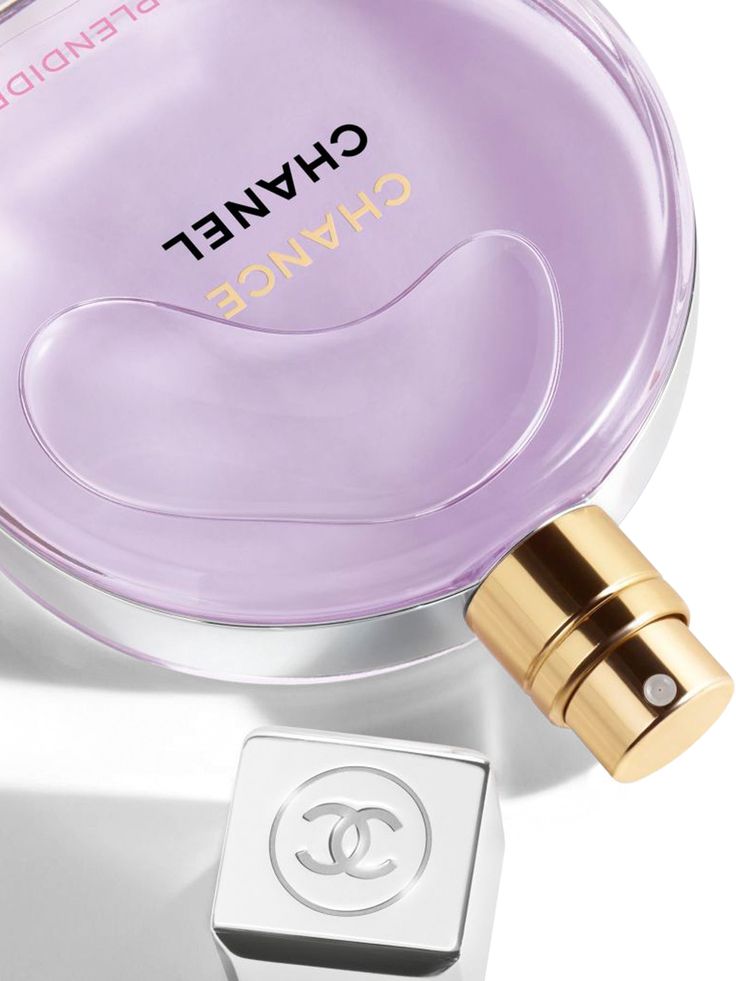
From breezy coastal blends to sultry night-out elixirs, these six new perfumes capture every summer mood. Discover the fragrances defining 2025 — fresh, flirty, and effortlessly luxurious.
Read more

From SPF to spot stickers and hair saviours, this is your ultimate edit of travel beauty must-haves. Lucy Abbersteen breaks down what to pack (and what to skip) for glowing, protected skin and hair — wherever your holiday takes you.
Read more

When your skin feels tight, red, or reactive, your barrier is asking for help. In this article, Hollie Atkin explains how to rebuild and strengthen the skin barrier with calming, science-backed care — and why gentle consistency always wins.
Read more