The Healing Power of Music
Sometimes, the simplest form of self-care is a beautiful night spent dancing to good music
By Camilla Fortunato

We have become very good at turning wellness into a checklist.
Wake up early. Meditate. Working out. Eat well. Take the supplements. Get eight hours of sleep…
And yet, sometimes, wellness is found in the spontaneity of life: a sunset, a DJ set and a dance floor by the sea.
I was reminded of the simple pleasure of a great night out recently at Alemagou in Mykonos, where Fideles was playing as the afternoon slowly gave way to evening. It was a hypnotic set, played with the kind of intensity you don't simply hear but feel, the energy building as the sun began to disappear into the windy hills of Mykonos.
I stopped for a minute, feeling the pulse of the sound against Mykonos' monochromatic palette and I realised how well I was feeling, feeling completely present, content and at ease.
Music is one of the few experiences capable of engaging several brain systems at once; it interacts with networks involved in hearing, movement, memory, emotion and reward, while influencing everything from attention and learning to the way we process and remember experiences. Research also suggests that music can contribute to neuroplasticity, helping reshape and strengthen neural connections over time. All in one.
When the music is live, the body becomes part of the listening. You feel the bass in your chest, watch the crowd react to a change in rhythm, your brain anticipates the next transition. Then comes - our favorite part - the drop.
That tiny pause before the beat returns is one of the most pleasurable moments in music, triggering the brain’s reward system and the release of dopamine. There is, in fact, quite a lot happening inside us when we lose ourselves in a great set, which may explain why some nights linger.
Dopamine: anticipation & reward
The build-up, the tension and finally the drop activate the brain’s reward system, with dopamine playing a key role in anticipation and pleasure.
Endorphins: pleasure & movement
Dancing and rhythmic movement can stimulate the body’s natural opioids, contributing to pleasure and the sense of wellbeing that comes from moving together.Oxytocin: connection
Shared music and synchronised movement can strengthen feelings of social connection and affiliation, with research suggesting a role for oxytocin in these collective experiences.Cortisol: stress regulation
Music can influence the body’s stress response, including cortisol levels, helping shift our emotional and physiological state.The nervous system: full sensory immersion & presence
Sound, movement, anticipation, light, temperature and touch all arrive at once, creating a deeply immersive experience that can pull attention away from everyday mental noise.

The same Fideles track through headphones while being on a flight or taking a shower are always beautiful. But hearing it live, as the sun went down, with the bass travelling through the speakers, the wind against your hair and a crowd responding to the same beat, is an entirely different sensory experience.
Wellness doesn't always mean reducing stimulation. Sometimes it means finding the right stimulation. And perhaps this is why a genuinely great night can leave you feeling strangely restored. Not because you escaped your life, but because, for a few hours, you were completely inside it.
As the good season approaches in Dubai, I want to make
room for more of these moments: sunset music, warm air, friends, and dance.
We spend so much time looking for the next thing that
will make us feel better. Sometimes we just need to turn
the music up.
It might be the most enjoyable form of therapy we give ourselves all season
If you enjoyed this, you’ll love these too

Starting your aesthetics journey isn’t about perfection — it’s about confidence. In this piece, Dr. Maya Shahsavari shares why every transformation should begin with conversation, trust, and a holistic understanding of who you are.
Read more
Polynucleotides—also known as “salmon DNA”—are the latest buzz in aesthetics. In this article, beauty writer Lucy Abbersteen explains what they are, how they work to boost collagen and hydration, and why these natural biostimulators are redefining skin rejuvenation in 2025.
Read more

Hair loss goes deeper than beauty — it’s a reflection of our overall health. From nutrition and hormones to stress and self-care, Dr. Maya Shahsavari explores what truly impacts hair vitality and how to restore both strength and confidence.
Read more
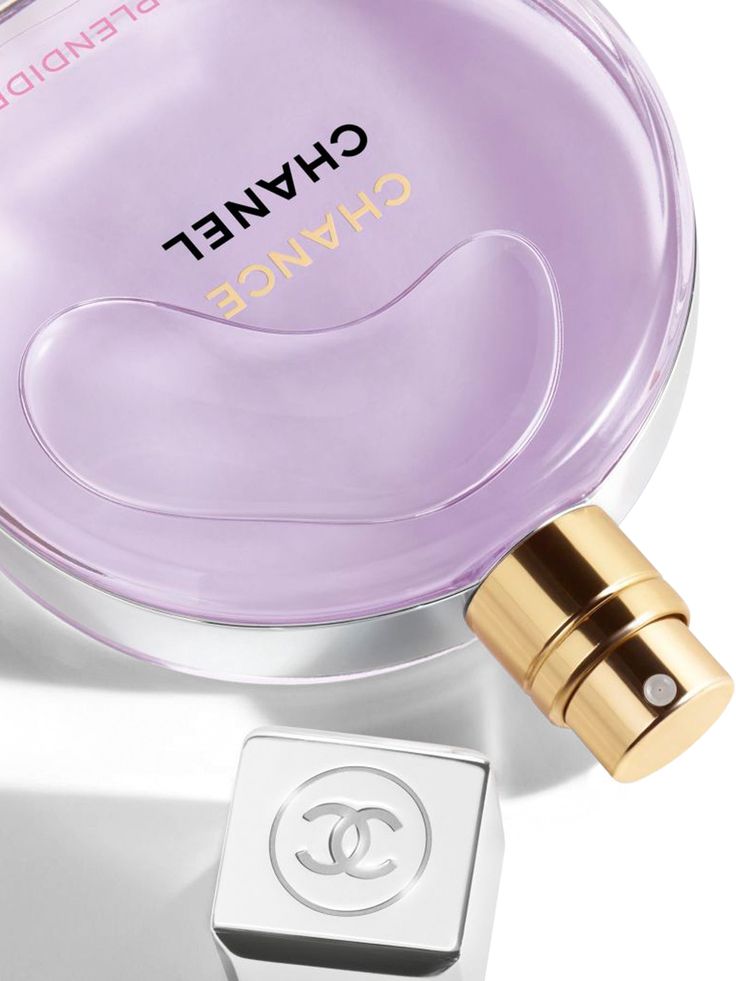
From breezy coastal blends to sultry night-out elixirs, these six new perfumes capture every summer mood. Discover the fragrances defining 2025 — fresh, flirty, and effortlessly luxurious.
Read more

From SPF to spot stickers and hair saviours, this is your ultimate edit of travel beauty must-haves. Lucy Abbersteen breaks down what to pack (and what to skip) for glowing, protected skin and hair — wherever your holiday takes you.
Read more

When your skin feels tight, red, or reactive, your barrier is asking for help. In this article, Hollie Atkin explains how to rebuild and strengthen the skin barrier with calming, science-backed care — and why gentle consistency always wins.
Read more