The Mistakes You Don't Make
On inaction, inherited rules, and the right to get it wrong
By Yassine Tayi

The Right To Make Mistakes
By mistakes, I do not mean breaking the law. I mean stepping outside the unspoken rules of the environment we grew up in. The question is not what is legal and what is illegal. It is what is allowed and what is not.
We seem to begin life with this right almost intact. A baby throws up on their parents, walks barefoot through the house, pees on the floor, and the world mostly absorbs it. As we grow, the right shrinks. Some of that is understandable: living with others means learning. But somewhere along the way, many of us come to believe that being an adult means not making mistakes. That this is what responsibility is.
Yet mistakes are one of the most tangible ways a living being draws its own path. The word already knows this: error comes from the Latin errare, to wander. To err is, quite literally, to explore. Through error one gains a knowledge that is singular, one's own rather than handed down. An organism that no longer risks being wrong has not become wise. In some quiet way, it has stopped expanding.
Think of how much is learned in the first years of life: to walk, to speak, to play, later to read and write. The flexibility of the young nervous system explains part of this. But I suspect that flexibility can do its work partly because, at that age, getting it wrong costs so little. The child is protected, and so the child can explore.
That protection does not last.
How the rules enter the body
When we look at how we come to know what counts as a mistake, it is rarely through explanation alone. The lesson arrives with feeling: fear, shame, guilt, and also the warmth that is given or withdrawn. The boundary is drawn in the body before it is understood in the mind.
Try saying what you actually think in a room where that is not expected. Take a decision no one around you would take. Notice what your body does before you have even finished the thought.
For many people, the lesson was delivered more literally. The rules were remembered through pain, or through humiliation.
Over time, one question tends to take over the steering: What will others think? It becomes the compass. The child who once oriented towards what caught their interest now orients towards what will be tolerated. From there, two paths are common. Some follow the book everyone else follows. Others become the book. They take the rules in so completely that no one needs to enforce them any more.
The EMDR framework offers one way of reading this. A moment of humiliation around a mistake may not have been simply "learned from". It may have been stored more or less as it was lived: the heat in the face, the sinking in the stomach, the conclusion drawn at the time, I shouldn't have. Years later, a decision that asks us to step outside the lines can reach that same memory network, and the old response arrives, intact.
The adult is choosing a career. The body is answering a question that was asked at seven.
When the compass is guilt
Someone whose only compass is guilt and duty risks a strange kind of death. Not of the body, but of desire. They live between what they owe and what they have failed to do, and the space where something of their own might happen keeps shrinking.
The problem is not guilt itself. Guilt that helps us repair a harm we have caused does its job. The problem comes when guilt stops being one instrument among others and becomes the compass.
Lacan made a provocative claim here. He suggested that the only thing one can truly be guilty of is having given ground on one's desire. Read this way, the guilt so many people carry in their inaction is not only the guilt of having done something wrong. It may also be the guilt of having done nothing at all. Standing still, it turns out, is not neutral.
The way out, or the fantasy of one
Many people dream of financial freedom: never having to work again, being provided for, having their needs met. Beneath the practical wish there may be another one, the wish to return to a place where mistakes cost nothing. To exist outside of what one has to do.
It is a revealing fantasy. It imagines that the right to err can only come back if the stakes are removed, if one is held again as one once was. It rarely imagines the other possibility, which is a different relationship to the stakes themselves.
What remains
The capacity to make mistakes deserves protection, because it is one of the few defences we have against inaction. Yet mistakes are often treated as endings: verdicts rather than passages.
A full life will contain joy and loss, love and sadness, some melancholy. It will probably contain the wrong profession, the wrong partner, the wrong friends. Being hurt. Hurting others. Saying the wrong thing, or explaining it badly.
Perhaps what matters is not avoiding these, but having an inner system able to process them, so that an error can become an experience rather than a verdict.
The mistakes we make tend to become part of our story. The ones we don't make have a way of staying with us too.
If you enjoyed this, you’ll love these too

Starting your aesthetics journey isn’t about perfection — it’s about confidence. In this piece, Dr. Maya Shahsavari shares why every transformation should begin with conversation, trust, and a holistic understanding of who you are.
Read more

Polynucleotides—also known as “salmon DNA”—are the latest buzz in aesthetics. In this article, beauty writer Lucy Abbersteen explains what they are, how they work to boost collagen and hydration, and why these natural biostimulators are redefining skin rejuvenation in 2025.
Read more
Hair loss goes deeper than beauty — it’s a reflection of our overall health. From nutrition and hormones to stress and self-care, Dr. Maya Shahsavari explores what truly impacts hair vitality and how to restore both strength and confidence.
Read more
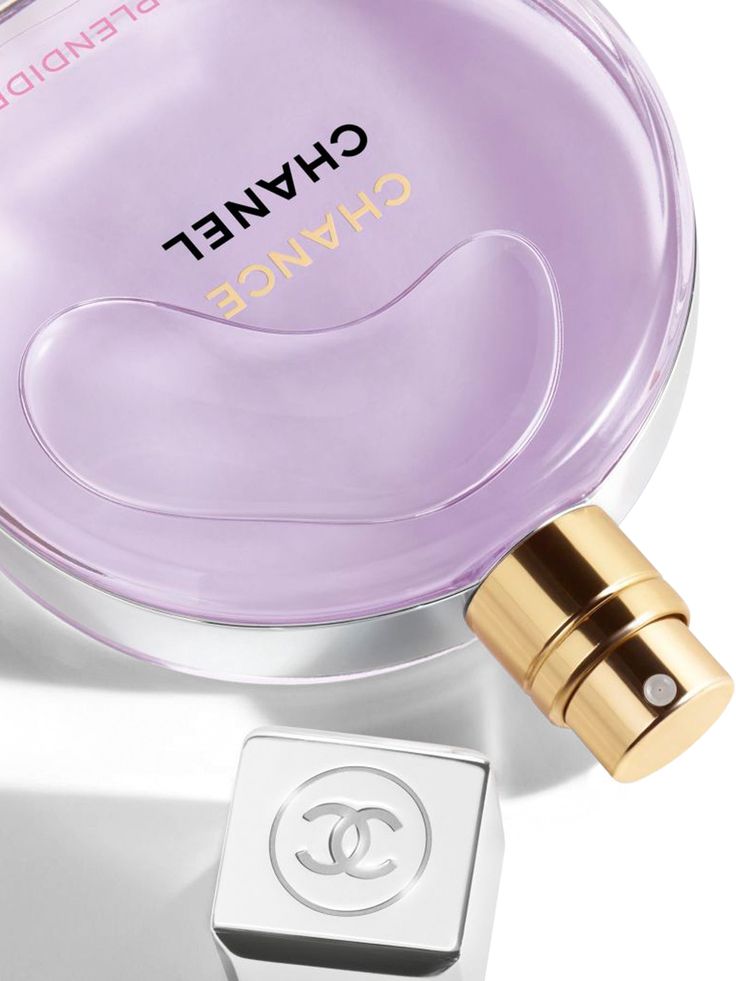
From breezy coastal blends to sultry night-out elixirs, these six new perfumes capture every summer mood. Discover the fragrances defining 2025 — fresh, flirty, and effortlessly luxurious.
Read more

From SPF to spot stickers and hair saviours, this is your ultimate edit of travel beauty must-haves. Lucy Abbersteen breaks down what to pack (and what to skip) for glowing, protected skin and hair — wherever your holiday takes you.
Read more

When your skin feels tight, red, or reactive, your barrier is asking for help. In this article, Hollie Atkin explains how to rebuild and strengthen the skin barrier with calming, science-backed care — and why gentle consistency always wins.
Read more