The Nervous System and the Skin
Why Calm Bodies Create Stronger, Healthier Skin
By Hollie Atkin

When discussing skin health, most conversations focus on products, treatments and ingredients. Yet one of the most powerful influences on the skin is rarely visible and often overlooked.
The nervous system.
It regulates how the body responds to stress, controls inflammatory signalling, influences hormonal balance and even affects how efficiently the skin repairs itself. When the nervous system is supported, the skin tends to function with greater stability. When it is chronically activated, the skin often reflects this internal strain.
Skin is not separate from the body. It responds to the state the body is living in.
Understanding the Skin-Brain Connection
The skin and nervous system share a deeply interconnected relationship that begins in early development. Both originate from the same embryonic tissue, which helps explain why emotional and physiological stress can so quickly appear on the surface.
Have you ever noticed your skin flushing when anxious, breaking out during high-pressure periods or becoming dull after prolonged exhaustion?
This is not coincidence. It is communication.
The nervous system is constantly sending biochemical messages that influence immune activity, circulation and inflammatory pathways within the skin.
When the body perceives safety, repair is prioritised. When it perceives threat, survival takes precedence.
What Happens During Chronic Stress
The human body is designed to handle short bursts of stress. This response is protective and adaptive. Problems arise when stress becomes continuous.
Persistent nervous system activation elevates cortisol and other stress mediators. Over time, this can weaken barrier function, increase transepidermal water loss and slow collagen production.
Inflammatory pathways remain switched on, making the skin more reactive and less predictable. Healing becomes slower. Sensitivity increases. Conditions such as acne, rosacea and pigmentation often become more difficult to stabilise.
Even the skin's microbiome may be affected, as prolonged stress alters immune regulation.
The skin is not malfunctioning in these moments. It is adapting to a body that does not feel fully safe.
Survival Mode vs Repair Mode
One of the simplest ways to understand this relationship is through two biological states.
In survival mode, the body directs energy toward immediate protection. Functions considered non-essential, including aspects of skin regeneration, are deprioritised.
In repair mode, the body has the capacity to restore, rebuild and strengthen tissues.
Many people unknowingly live predominantly in survival mode. Fast-paced schedules, constant digital stimulation, insufficient rest and high cognitive load keep the nervous system alert long after the original stressor has passed.
The skin mirrors this pace.
Creating moments that allow the body to shift back into repair is not indulgent. It is physiologically necessary.

How Dysregulation Appears on the Skin
When the nervous system lacks balance, the signs are often subtle at first.
Skin may appear more sensitive than usual. Breakouts take longer to resolve. Redness lingers. The complexion can look tired despite adequate skincare.
Over time, collagen degradation may accelerate whilst the skin's ability to retain hydration declines.
Many people respond by increasing product use or seeking stronger treatments, yet without addressing the underlying stress load, results can plateau.
Support the system, and the skin often follows.
The Modern Environment and Constant Stimulation
Modern life rarely encourages nervous system recovery.
Notifications, artificial lighting, long working hours and reduced time outdoors keep the brain engaged almost continuously. Even rest is often accompanied by screens.
From a biological perspective, the body interprets constant stimulation as a signal to remain alert.
In climates such as the Middle East, environmental intensity adds another layer. Extreme heat, strong UV exposure and heavily air-conditioned interiors create additional physiological demands, requiring the body to adapt repeatedly throughout the day.
Resilience becomes essential, not optional.
Creating the Conditions for Skin to Repair
Supporting the nervous system does not require dramatic lifestyle changes. Often, it begins with small, consistent shifts that signal safety to the body.
Quality sleep remains one of the most powerful regenerative tools available. During deep sleep, growth hormone supports cellular repair whilst cortisol naturally declines.
Slow, intentional movement — such as walking, Pilates or strength training — can help regulate stress chemistry whilst improving circulation to the skin.
Time spent outdoors, particularly in natural light, supports circadian rhythm alignment. Even brief pauses throughout the day can interrupt cycles of continuous activation.
Breathing patterns also matter more than many realise. Slower, controlled breathing encourages the body to move away from heightened alertness towards a more restorative state.
These are not wellness luxuries. They are biological regulators.
Where Professional Skin Therapy Becomes Transformational
Professional treatments offer more than visible skin improvement when approached thoughtfully. They can also create a rare opportunity for the nervous system to down-regulate.
The simple act of lying still, being cared for and stepping away from external demands allows the body to shift towards repair. Circulation improves, muscular tension softens and inflammatory signalling may reduce.
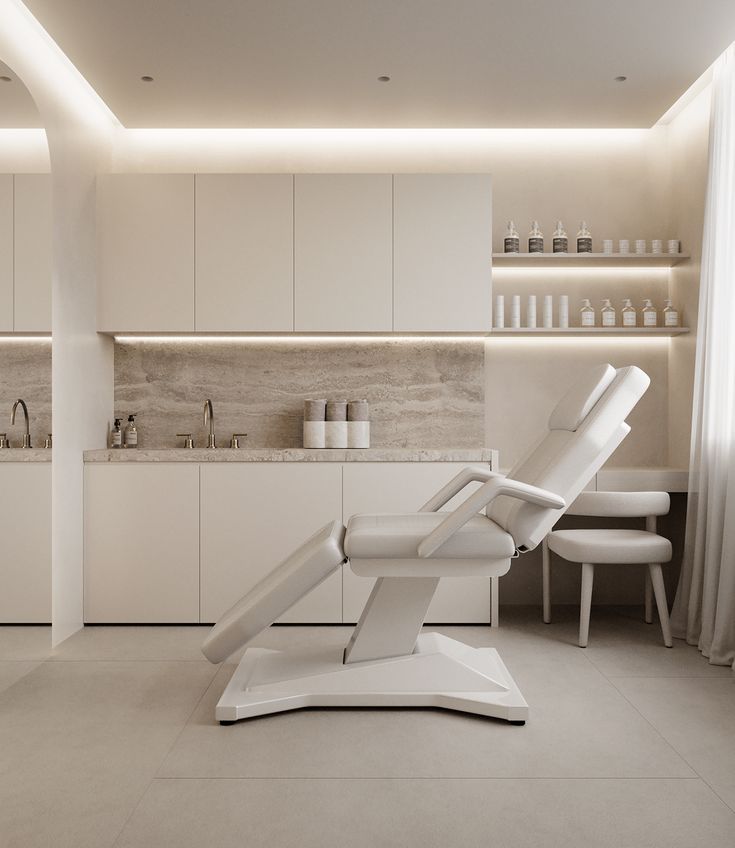
When treatments are delivered in a calm, intentional environment, their benefits extend beyond the epidermis.
Skin responds particularly well when advanced therapy is paired with physiological ease.
A More Integrated View of Skin Health
As our understanding of skin continues to evolve, it becomes increasingly clear that lasting results are rarely achieved through topical intervention alone.
Barrier integrity, internal health, hormonal balance and nervous system regulation all contribute to how the skin behaves.
This does not mean perfection is required. The body is remarkably adaptive. What it responds to most is consistency.
Small signals of safety, repeated daily, create an internal environment where the skin no longer needs to operate defensively.
Instead, it can invest its energy in renewal.
The New Definition of Skin Care
Perhaps true skincare is not just about what we apply, but about how we live.
Skin thrives in environments that support rest, nourishment and regulation. It becomes more resilient when the body is not constantly being asked to endure.
Great skin is rarely the result of force. It is the byproduct of balance.
When the nervous system is supported, inflammation becomes easier to regulate. Hormonal signalling stabilises. Healing improves. Treatments perform more predictably.
The skin begins to behave less like it is under pressure and more like it is in partnership with the body.
Because ultimately, the goal is not simply brighter skin.
It is stronger skin.
And strong skin is built on a foundation of physiological calm.
If you enjoyed this, you’ll love these too
Starting your aesthetics journey isn’t about perfection — it’s about confidence. In this piece, Dr. Maya Shahsavari shares why every transformation should begin with conversation, trust, and a holistic understanding of who you are.
Read more

Polynucleotides—also known as “salmon DNA”—are the latest buzz in aesthetics. In this article, beauty writer Lucy Abbersteen explains what they are, how they work to boost collagen and hydration, and why these natural biostimulators are redefining skin rejuvenation in 2025.
Read more

Hair loss goes deeper than beauty — it’s a reflection of our overall health. From nutrition and hormones to stress and self-care, Dr. Maya Shahsavari explores what truly impacts hair vitality and how to restore both strength and confidence.
Read more

From breezy coastal blends to sultry night-out elixirs, these six new perfumes capture every summer mood. Discover the fragrances defining 2025 — fresh, flirty, and effortlessly luxurious.
Read more

From SPF to spot stickers and hair saviours, this is your ultimate edit of travel beauty must-haves. Lucy Abbersteen breaks down what to pack (and what to skip) for glowing, protected skin and hair — wherever your holiday takes you.
Read more

When your skin feels tight, red, or reactive, your barrier is asking for help. In this article, Hollie Atkin explains how to rebuild and strengthen the skin barrier with calming, science-backed care — and why gentle consistency always wins.
Read more