The Truth Behind the Buzzword: What Women Should Actually Know About Creatine
A closer look at the supplement quietly reshaping how women think about strength, energy, and longevity.
By Sara Babar
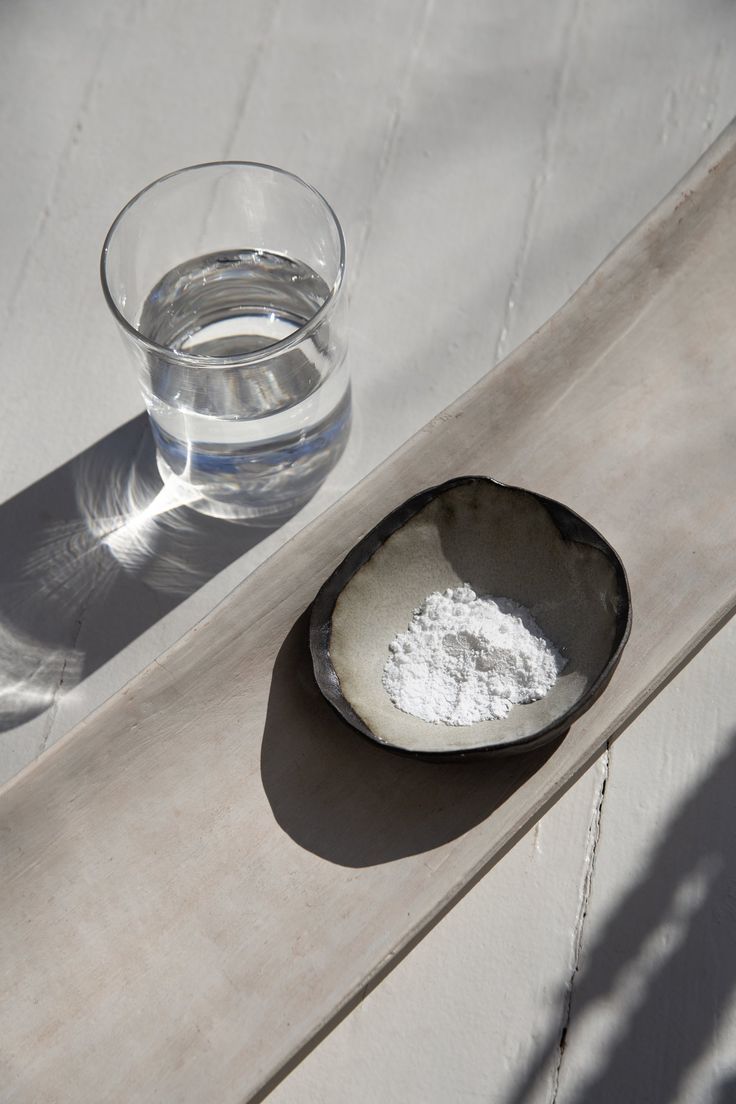
If you have spent any time in a gym or on a wellness feed lately, you have likely heard the word creatine. For years, it was a supplement tucked away in the back of sports nutrition stores, marketed almost exclusively to a very specific type of athlete. But lately, the conversation has shifted. It is becoming a staple in the routines of women training at all levels—from those just beginning their movement journey to seasoned trainers—and for good reason.
When a supplement becomes a buzzword, it is easy to feel skeptical. We are tired of being told that a new powder is the secret to everything. But when we look past the marketing and into the actual physiology, the story of creatine is less about hype and more about how our bodies create and use energy. Despite the misconceptions, it is not a stimulant. It is a naturally occurring compound made of three amino acids that your body produces in the liver and kidneys. You also get it from foods like red meat and seafood. Your body stores it in your muscles and your brain to help regenerate ATP, which is the primary currency of energy for your cells.
Think of it as a backup battery. When you do anything that requires a burst of effort—whether that is a challenging set in the gym or focusing on a complex task at work—your cells burn through energy fast. Creatine is what helps those cells recharge that energy in real-time.
As we move into our late 30s and early 40s, our internal environment begins to change. This is the stage where perimenopause often enters the picture, bringing significant hormonal shifts. One of the most common experiences during this time is a change in body composition. Women naturally have about 70 to 80 percent lower creatine stores than men, and as estrogen levels begin to fluctuate and decline, our ability to build and maintain lean muscle is impacted. This is where creatine becomes a vital tool. It supports the muscles in working more efficiently, which helps us maintain the strength needed to support our metabolism and our skeletal system. It is one of the most effective ways to support your body through this natural recompositioning phase.
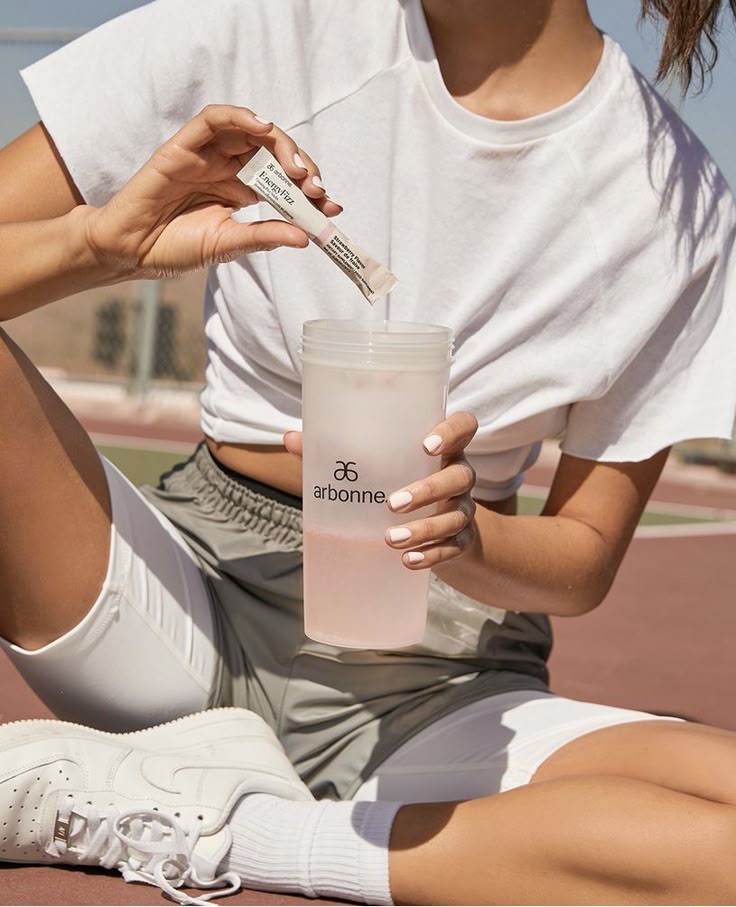
Beyond the physical, there is a fascinating area of study regarding the brain. Your brain is an energy-demanding organ. For women navigating the brain fog and mood shifts often associated with the transition into perimenopause, creatine has shown significant potential in supporting cognitive clarity and mental energy. Because our internal levels can dip during these hormonal transitions, providing that extra support can help bridge the energy gap.
A common concern is whether we have enough data on women. While early sports science focused primarily on men, the last several years have seen a massive surge in female-focused clinical trials. We now have robust data confirming that creatine is not only safe for women but uniquely beneficial for our hormonal health and neurological function. It is one of the most researched supplements in the world, with a safety profile that is very well-established. Ultimately, the decision to add anything to your routine should be an intentional one. It is about understanding your own body's needs and making an informed choice rather than following a trend.
A Simple Rhythm for Support:
If you decide to incorporate creatine into your day, it does not need to be complicated. It is about simple consistency to keep your system supported.
Consult a professional first: Before starting any new supplement, always have a conversation with your GP or a qualified healthcare provider. This is especially important if you are managing a specific health condition or have concerns about your kidney health.
The daily dose: For most women, 3 to 5 grams daily is the effective range. There is no need for a loading period where you take large amounts at once. Just a single small scoop daily is enough.
Post-workout hydration: A simple way to stay consistent is to mix your creatine with your electrolytes. This creates a great post-workout hydration drink that supports both muscle recovery and cellular energy.
Make it a habit: You can take it at any time of day. It is tasteless and dissolves easily. The key is taking it every day, even on days when you aren't active, to maintain those levels in your muscles and brain.
References:
JAMA Network Open (2025): Dietary Supplements and Muscle Strength in Middle-Aged and Older Adults: A Systematic Review.
Journal of the International Society of Sports Nutrition (2025 Update): Creatine Supplementation in Women’s Health: A Lifespan Perspective.
Nutrients (2025): The Role of Creatine in Bone Health and Sarcopenia Prevention in Postmenopausal Women.
Frontiers in Neuroscience (2026): Cognitive and Mood Support: Creatine’s Impact on the Female Brain During Hormonal Transitions.
If you enjoyed this, you’ll love these too
Starting your aesthetics journey isn’t about perfection — it’s about confidence. In this piece, Dr. Maya Shahsavari shares why every transformation should begin with conversation, trust, and a holistic understanding of who you are.
Read more

Polynucleotides—also known as “salmon DNA”—are the latest buzz in aesthetics. In this article, beauty writer Lucy Abbersteen explains what they are, how they work to boost collagen and hydration, and why these natural biostimulators are redefining skin rejuvenation in 2025.
Read more
Hair loss goes deeper than beauty — it’s a reflection of our overall health. From nutrition and hormones to stress and self-care, Dr. Maya Shahsavari explores what truly impacts hair vitality and how to restore both strength and confidence.
Read more
From breezy coastal blends to sultry night-out elixirs, these six new perfumes capture every summer mood. Discover the fragrances defining 2025 — fresh, flirty, and effortlessly luxurious.
Read more

From SPF to spot stickers and hair saviours, this is your ultimate edit of travel beauty must-haves. Lucy Abbersteen breaks down what to pack (and what to skip) for glowing, protected skin and hair — wherever your holiday takes you.
Read more

When your skin feels tight, red, or reactive, your barrier is asking for help. In this article, Hollie Atkin explains how to rebuild and strengthen the skin barrier with calming, science-backed care — and why gentle consistency always wins.
Read more