Understanding Inflammation in the Skin
This article uncovers the often invisible role of inflammation in skin health, explaining how everyday environmental, internal, and skincare factors can quietly disrupt balance and how restoring calm allows the skin to regenerate and thrive.
By Hollie Atkin
The Inflammation We Don’t Always See
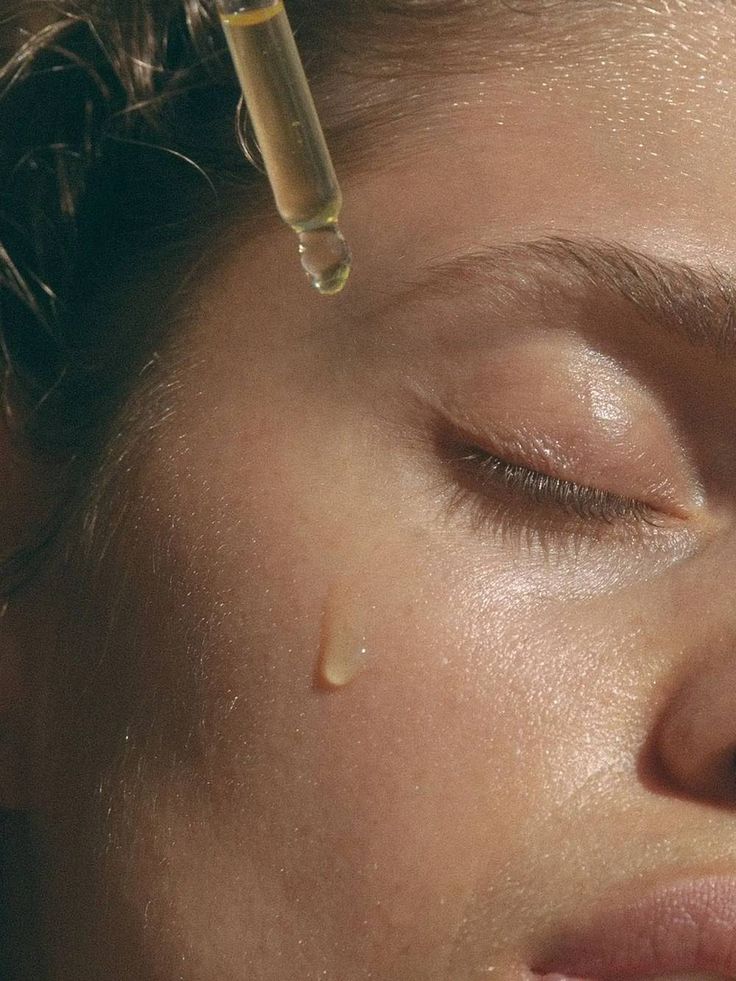
Inflammation is one of the most influential forces in skin health, yet it remains widely misunderstood. In everyday skincare conversations, it is often associated with visible redness, irritation or breakouts, but in reality, inflammation frequently begins long before the skin displays any obvious signs of distress. Beneath the surface, the skin is constantly interpreting signals from its environment and adjusting how it behaves in response. When that internal communication system is balanced, the skin repairs efficiently, produces collagen at a steady pace and maintains hydration with little effort. When inflammatory signals become excessive or prolonged, the entire biological environment of the skin begins to shift.
The earliest signs of this shift are rarely dramatic. Skin may begin to feel slightly more reactive than usual, flushing more easily or struggling to tolerate products that once caused no issue. Hydration becomes harder to maintain, and the complexion may appear dull or uneven despite consistent skincare. Over time, these subtle changes can develop into more recognisable concerns. Breakouts may linger longer than they once did. Pigmentation becomes more stubborn. Fine lines appear earlier than expected. In many cases, the visible concern is not the true origin of the problem. It is simply the outward expression of an inflammatory environment developing beneath the surface.
When a Helpful Response Becomes a Problem
Inflammation itself is not inherently harmful. It is an essential part of the skin’s defence system. When the skin experiences injury, infection or environmental stress, inflammatory signals activate immune cells and repair pathways designed to protect the body and restore balance. In short bursts, this response is extremely beneficial, allowing damaged tissue to heal and the barrier to recover after disruption.
The difficulty arises when this response becomes constant rather than temporary. When inflammatory signals remain elevated for long periods of time, the skin begins to operate in a state of quiet defence rather than regeneration. Instead of directing energy toward collagen production and renewal, resources are diverted toward protection. Fibroblasts become less productive, meaning collagen synthesis slows. The lipid barrier becomes easier to disrupt, allowing moisture to escape and irritants to penetrate more easily. Melanocytes become more reactive, producing pigment in response to relatively minor stimulation.
Gradually, the skin begins to behave less predictably. Rather than functioning as a system designed for regeneration, it becomes focused primarily on survival.
The Modern Triggers Behind Chronic Inflammation
Chronic inflammation rarely develops from a single dramatic trigger. It is usually the result of repeated exposure to smaller stressors that accumulate over time. Ultraviolet radiation remains one of the most significant contributors. Even moderate sun exposure activates inflammatory pathways within the skin while also generating oxidative stress that damages collagen and elastin fibres.
Heat also influences skin behaviour. Elevated temperatures increase blood flow and stimulate melanocyte activity, which is one reason pigmentation often becomes more persistent in warmer climates. In regions where intense outdoor heat is followed by cold air-conditioned interiors, the skin must constantly adapt to sudden temperature shifts. Blood vessels dilate in response to heat and constrict again when exposed to cooler environments. Over time, this constant fluctuation weakens resilience and contributes to increased transepidermal water loss.
Environmental pollution introduces another layer of pressure. Microscopic particles from dust and airborne contaminants can penetrate the skin surface and trigger oxidative reactions within cells, accelerating visible ageing while fuelling inflammatory pathways. Internal influences play an equally important role. Chronic stress elevates cortisol levels, which interfere with barrier repair and slow the skin’s healing processes. Sleep deprivation reduces the time available for overnight cellular renewal, meaning repair mechanisms cannot function as efficiently as they should.
Nutrition also contributes significantly to the skin’s resilience. Essential fatty acids are required to maintain the lipid structure that protects against dehydration and irritation. When these nutrients are lacking, the barrier becomes weaker, and the skin becomes more vulnerable to external stress.
Even well-intentioned skincare routines can contribute to inflammation when intensity outweighs balance. Frequent exfoliation, strong actives used too often, and constant product changes can create repeated micro stress that the skin struggles to resolve fully.
What Changes When the Skin Finally Calms
When inflammatory pressure is reduced, the change in skin behaviour can be striking. Barrier function improves, allowing the skin to retain moisture more effectively and maintain stable hydration levels. Pigment production becomes more regulated as melanocyte signalling returns to balance. Breakouts settle more quickly because the skin’s healing response begins to function more efficiently.
Perhaps most noticeably, the skin develops a quality that is difficult to replicate artificially. It appears calmer, brighter and more rested. This is not the temporary brightness created by aggressive exfoliation but the natural luminosity that appears when the skin is functioning in equilibrium. Tone becomes more even, texture appears smoother, and the surface reflects light in a softer and more uniform way.
Creating an Environment Where Skin Can Recover
Supporting a less inflamed skin environment often requires less intervention than people expect. Strengthening the barrier through lipid-rich moisturisation helps replenish ceramides and fatty acids that reinforce the skin’s protective structure. Antioxidants support the skin’s defence against environmental stress by neutralising free radicals before they can damage cellular components. Consistent sun protection remains one of the most powerful anti-inflammatory tools available.
Equally important is recognising when the skin requires restraint rather than stimulation. Introducing active ingredients gradually allows the skin to adapt without becoming overwhelmed. Spacing professional treatments appropriately ensures that recovery processes have time to complete before new stimulation is introduced.
The future of intelligent skincare lies not in constant correction but in stability. When the skin feels supported and safe, its natural regenerative systems operate far more effectively. Collagen production improves, hydration stabilises, and pigmentation behaves more predictably. Treatments become more successful because the skin is no longer working against itself.
Before asking how to transform the skin, it is often worth asking a quieter question. What conditions does the skin need in order to function well again?
If you enjoyed this, you’ll love these too

Starting your aesthetics journey isn’t about perfection — it’s about confidence. In this piece, Dr. Maya Shahsavari shares why every transformation should begin with conversation, trust, and a holistic understanding of who you are.
Read more

Polynucleotides—also known as “salmon DNA”—are the latest buzz in aesthetics. In this article, beauty writer Lucy Abbersteen explains what they are, how they work to boost collagen and hydration, and why these natural biostimulators are redefining skin rejuvenation in 2025.
Read more

Hair loss goes deeper than beauty — it’s a reflection of our overall health. From nutrition and hormones to stress and self-care, Dr. Maya Shahsavari explores what truly impacts hair vitality and how to restore both strength and confidence.
Read more
From breezy coastal blends to sultry night-out elixirs, these six new perfumes capture every summer mood. Discover the fragrances defining 2025 — fresh, flirty, and effortlessly luxurious.
Read more

From SPF to spot stickers and hair saviours, this is your ultimate edit of travel beauty must-haves. Lucy Abbersteen breaks down what to pack (and what to skip) for glowing, protected skin and hair — wherever your holiday takes you.
Read more

When your skin feels tight, red, or reactive, your barrier is asking for help. In this article, Hollie Atkin explains how to rebuild and strengthen the skin barrier with calming, science-backed care — and why gentle consistency always wins.
Read more